textile reinforced conveyor belt width > 20cm
CN → US| HS Code | Tariff Rate | Origin | Destination | Doc |
|---|---|---|---|---|
| 5910009000 | 37.6% | CN | US | Official Doc |
| 5910001070 | 39.0% | CN | US | Official Doc |
| 4010125000 | 43.0% | CN | US | Official Doc |
| 4010121000 | 39.1% | CN | US | Official Doc |
| 3926905700 | 41.5% | CN | US | Official Doc |
Product Images
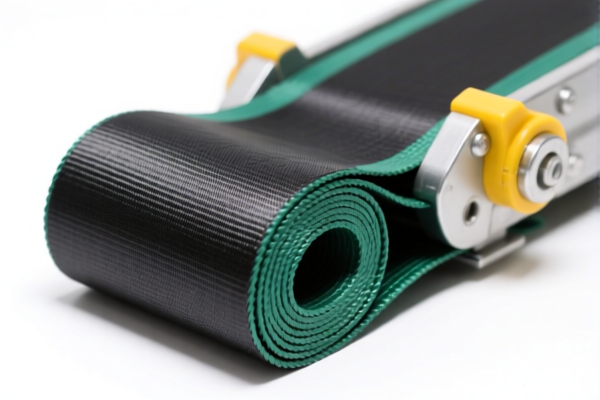
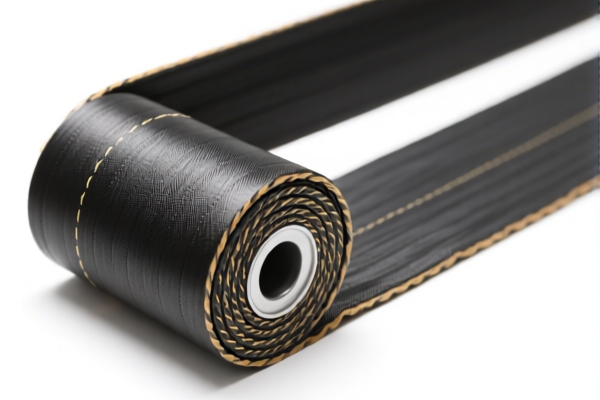
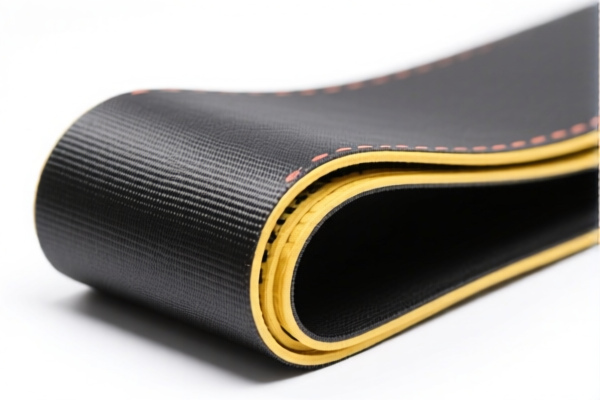
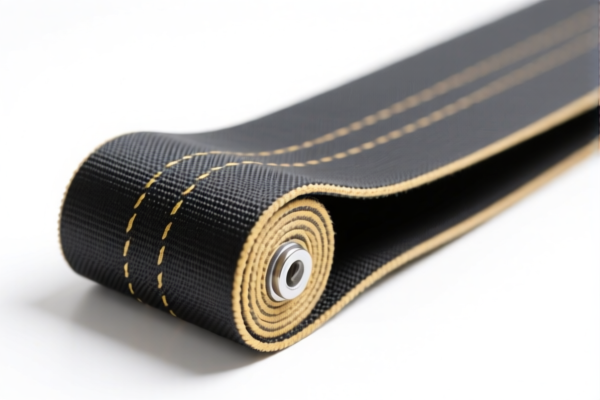
AI Analysis
🚛 Industrial Conveyor Belts (Textile Reinforced, Width > 20cm)
🌐 HS Code Reference & Customs Clearance Guide | 2026 Latest Tariff Analysis | Professional Clearance Strategy
📌 I. Product Definition & Classification: Do You Really Understand "Textile Reinforced Conveyor Belts"?
Industrial conveyor belts are critical components in logistics, mining, and manufacturing. In international trade, they are strictly categorized by material composition and reinforcement type.
Key Characteristics of Your Product: * Type: Conveyor Belts (Transmission/Conveying belts). * Reinforcement: Textile Reinforced (Fabric/Plural fiber layers). * Width: Exceeding 20 cm. * Material: The core structure relies on textile materials (cotton, polyester, nylon, etc.) rather than metal or solid rubber chains.
⚠️ Critical Distinction:
- If reinforced with metal cords/plies → It may fall under 4010.12 (Rubber/Plastic belts with metal reinforcement) or 4010.36 (Other belts).
- If reinforced with textile/fabric → It typically falls under 5910 (Textile materials) or 4010.90 (Rubber belts without metal, depending on specific national interpretations).
- Width > 20cm is a key determinant for certain sub-headings in Chapter 40.
📦 II. HS Code Classification Details (2026 Latest Tariff Authority Comparison)
Based on the provided data, here are the five most relevant HS Codes, ranked by matching logic.
| HS Code | Product Description | Matching Logic | Total Tax Rate |
|---|---|---|---|
5910.00.90.00 |
Textile Materials for Machinery/Equipment (Conveyor belts, belting,传动带 made of textile materials) |
Strong Match: Explicitly mentions "Textile Reinforced" and "Conveyor Belts." Fits the category of machinery belting made of textile materials. | 37.6% |
5910.00.10.70 |
Other Textile Machinery Belting | Strong Match: Form is conveyor belt; material inferred as textile reinforced; not chain structure. Fits "Other" textile belting category. | 39.0% |
4010.12.50.00 |
Rubber Conveyor Belts (Width > 20cm, Other) |
Partial Match: Matches "Conveyor Belts" and "Width > 20cm." However, classification under Ch. 40 implies rubber content without metal. If "Textile Reinforced" is dominant, Ch. 59 might be more accurate, but USITC often places wide rubber belts here. | 43.0% |
4010.12.10.00 |
Rubber Conveyor Belts (Width > 20cm, With Only Textile Material Reinforcement) |
Strong Match: Specifically mentions "With only textile material reinforcement." Matches "Textile Reinforced" and "Conveyor Belts." No material conflict. | 39.1% |
3926.90.57.00 |
Other Articles of Plastic (Transmission/Conveying belts) |
Weak/Alternative Match: If the belt is primarily plastic-based (not rubber) with textile reinforcement. Less common for heavy-duty industrial belts but possible for light-duty plastic conveyors. | 41.5% |
🔍 Key Insight:
- Chapter 59 (5910.00) is often preferred for belts where the textile reinforcement is the defining structural element.
- Chapter 40 (4010.12) is common for rubber-coated belts, regardless of reinforcement, especially if width > 20cm.
- Chapter 39 (3926.90) is rare unless the base material is plastic, not rubber.
💰 III. 2026 Latest Tariff Rate Breakdown (Including Surtaxes, Policy Add-ons)
✅ Applicable Country: United States (US)
✅ Origin: China (CN)
✅ Effective Date: From November 10, 2025 (Including subsequent imports)
🎯 1. 5910.00.90.00 —— Textile Machinery Belting (Conveyor Belts)
| Item | Detail |
|---|---|
| Base Tariff | 2.6% (Ad Valorem) |
| Section 301 Surtax (USITC) | +25% |
| IEEPA Surtax | +10% (Targeting China/HK products from Nov 10, 2025) |
| Total Tax Rate | 37.6% |
| Tax Calculation | CIF Value × 37.6% |
| De Minimis Eligibility | ❌ No (deny_de_minimis) |
| Legal Path | IEEPA:9903.01.25 → IEEPA:9903.01.24 → USITC:5910.00.90.00 → FOOTNOTE:9903.88.01 |
📌 Explanation:
- The 25% Section 301 tax applies to most textile and machinery parts from China.
- The 10% IEEPA tax is an additional layer for Chinese origin goods effective Nov 2025.
- Total 37.6% is high but lower than rubber alternatives in this dataset.
🎯 2. 5910.00.10.70 —— Other Textile Machinery Belting
| Item | Detail |
|---|---|
| Base Tariff | 4.0% |
| Section 301 Surtax (USITC) | +25% |
| IEEPA Surtax | +10% |
| Total Tax Rate | 39.0% |
| Tax Calculation | CIF Value × 39.0% |
| De Minimis Eligibility | ❌ No |
| Legal Path | IEEPA:9901.25 → IEEPA:9903.01.24 → USITC:5910.00.10.70 → FOOTNOTE:9903.88.01 |
📌 Note:
- Slightly higher base rate (4.0% vs 2.6%) than5910.00.90.00, leading to a 39.0% total.
- Use this if the belt is classified as "Other" textile belting not specified under.90.00.
🎯 3. 4010.12.10.00 —— Rubber Conveyor Belts (Textile Reinforced, Width > 20cm)
| Item | Detail |
|---|---|
| Base Tariff | 4.1% |
| Section 301 Surtax (USITC) | +25% |
| IEEPA Surtax | +10% |
| Total Tax Rate | 39.1% |
| Tax Calculation | CIF Value × 39.1% |
| De Minimis Eligibility | ❌ No |
| Legal Path | IEEPA:9903.01.25 → IEEPA:9903.01.24 → USITC:4010.12.10.00 → FOOTNOTE:9903.88.01 |
📌 Note:
- This code is highly specific: Rubber base, Width > 20cm, Textile Reinforced.
- If your belt is rubber-based, this is a precise fit. Total tax 39.1%.
🎯 4. 3926.90.57.00 —— Plastic Conveyor Belts
| Item | Detail |
|---|---|
| Base Tariff | 6.5% |
| Section 301 Surtax (USITC) | +25% |
| IEEPA Surtax | +10% |
| Total Tax Rate | 41.5% |
| Tax Calculation | CIF Value × 41.5% |
| De Minimis Eligibility | ❌ No |
| Legal Path | IEEPA:9903.01.25 → IEEPA:9903.01.24 → USITC:3926.90.57.00 → FOOTNOTE:9903.88.01 |
📌 Note:
- Only applicable if the belt is plastic-based (e.g., PVC, PU) with textile reinforcement.
- Higher base rate (6.5%) makes it less competitive than textile (37.6%) or rubber (39.1%) options.
🎯 5. 4010.12.50.00 —— Rubber Conveyor Belts (Other, Width > 20cm)
| Item | Detail |
|---|---|
| Base Tariff | 8.0% |
| Section 301 Surtax (USITC) | +25% |
| IEEPA Surtax | +10% |
| Total Tax Rate | 43.0% |
| Tax Calculation | CIF Value × 43.0% |
| De Minimis Eligibility | ❌ No |
| Legal Path | IEEPA:9903.01.25 → IEEPA:9903.01.24 → USITC:4010.12.50.00 → FOOTNOTE:9903.88.01 |
📌 Note:
- This is the "Other" category under 4010.12.
- Highest base rate (8.0%) → 43.0% total.
- Avoid if a more specific "textile reinforced" sub-code (like4010.12.10.00) applies.
🛠️ IV. Customs Clearance Practical Advice (Battle-Tested Pitfall Guide)
✅ 1. Documentation Checklist (Mandatory)
| Document | Required | Description |
|---|---|---|
| ✅ Product Specification Sheet | ✔️ | Must detail: Base material (Rubber/Plastic/Textile), Reinforcement type (Textile/Fabric), Width, Length, Weight. |
| ✅ Material Composition Report | ✔️ | Crucial to prove "Textile Reinforced" vs. "Metal Reinforced." |
| ✅ Product Photos (with Labels) | ✔️ | Show cross-section if possible, to highlight textile layers. |
| ✅ Commercial Invoice | ✔️ | Clearly state "Conveyor Belt, Textile Reinforced, Width > 20cm." |
| ✅ Packing List | ✔️ | Itemize rolls, accessories. |
| ✅ Origin Certificate (CO) | ✔️ | If not China origin, may apply for lower rates. |
✅ 2. Declaration Tips (Key Mnemonics)
🔥 "Material First, Width Second, Reinforcement Key, Tax Rate Low!"
| Scenario | Correct Declaration | Wrong Practice |
|---|---|---|
| Belt is Rubber-based with textile fabric | 4010.12.10.00 (39.1%) |
Misdeclare as 5910 → Risk of penalty for wrong classification |
| Belt is Textile-only (no rubber/plastic base) | 5910.00.90.00 (37.6%) |
Misdeclare as 4010 → Higher tax (43%) |
| Belt is Plastic-based (PVC/PU) | 3926.90.57.00 (41.5%) |
Not applicable for rubber belts |
| Width < 20cm | Different HS Codes (Not in list) | Must reclassify; not covered in this specific data set |
📌 Critical Warning:
- Do not split shipments to avoid de minimis. All HS Codes listed havedeny_de_minimisstatus.
- Width > 20cm is a strict threshold for Chapter 40 codes4010.12.x.x. If width ≤ 20cm, different codes apply.
✅ 3. Special Case Handling
| Scenario | Handling Advice |
|---|---|
| OEM Custom Belts | Provide customer design specs to prove "Textile Reinforced" structure. |
| Mixed Materials | If belt has both textile and metal reinforcement, it likely falls under 4010.12 (Rubber belts with metal reinforcement). Contact customs for advance ruling. |
| Used/Refurbished Belts | Generally prohibited or heavily restricted. Declare as new. |
| Sample Shipments | Still subject to full duties (43.0%). Do not mark as "Free Sample" to avoid fraud. |
🌍 V. Global Customs Comparison (2026 Latest)
| Country/Region | Recommended HS Code | Tariff (China Origin) | Certification | Notes |
|---|---|---|---|---|
| 🇺🇸 USA | 5910.00.90.00 |
37.6% | None specific | Highest surtaxes (25% + 10%). |
| 🇨🇳 China | 5910.00.90.00 |
~10-15% (Import) | CCC (if for domestic) | Lower base rates, no Section 301. |
| 🇪🇺 EU | 5910.00.00 |
~10% | CE (if machinery) | No IEEPA surtax. |
| 🇯🇵 Japan | 5910.00.00 |
~8% | PSE (if electrical) | Stable tariff. |
| 🇦🇺 Australia | 5910.00.00 |
~5% | RCM | Low tariff, no surtax. |
📌 Conclusion:
- USA is the most expensive market due to Section 301 (25%) and IEEPA (10%) surtaxes.
- EU/Japan/Australia offer significantly lower total tariffs (~5-15%).
- Cost Optimization: Consider transshipment or sourcing from non-China origins if shipping to the US.
📌 VI. Common Mistakes & Pitfall Guide (Blood-Teachings)
❌ Mistake 1: Declaring "Conveyor Belt" without specifying "Textile Reinforced."
👉 Consequence: Customs may default to higher-rate rubber codes (4010.12.50.00 at 43%) or demand additional testing.
❌ Mistake 2: Ignoring Width Specification.
👉 Consequence: If width ≤ 20cm, codes like 4010.12.10.00 are invalid. Wrong code → Delay, fines, or re-classification to 43%.
❌ Mistake 3: Assuming "Textile Reinforced" means Chapter 59 only.
👉 Consequence: If the belt is rubber-coated, Chapter 40 (4010.12) is often preferred in the US. Misclassification leads to audits.
❌ Mistake 4: Attempting De Minimis (under $800) to avoid duties.
👉 Consequence: Strictly prohibited. These items are denied de minimis. Shipments will be seized or returned.
✅ Correct Declaration Example:
"Industrial Conveyor Belt, Rubber Base, Textile Reinforced (Polyester), Width 50cm, Length 10m, Model XYZ, for Mining Use."
🎯 VII. Conclusion: Precise Classification Saves Costs!
🎯 Remember the Mnemonic:
🔹 "Textile Reinforced? Check Chapter 59 or 40. Width > 20cm? Check 4010.12. USA? Expect 37-43% Tax. No De Minimis!"
🔹 "HS Code Determines Tax. A 5% difference is thousands of dollars. Declare accurately!"
📌 Pro Tip:
If your product can be classified as
5910.00.90.00(37.6%) instead of4010.12.50.00(43.0%), you save 5.4% in taxes.
Provide detailed material composition reports to support a Chapter 59 classification if the textile reinforcement is dominant.
📣 Immediate Action:
📞 Consult a licensed customs broker + Provide Cross-Section Photos + Apply for Advance Ruling if shipment value is high.
🚀 Ensure smooth clearance, maximize profit, and avoid customs nightmares!
✨ Professional Clearance Starts with Accurate Classification!
💼 Every Percent Counts in Global Trade!
Customer Reviews
About HS Code Classification
The Harmonized System (HS) is an internationally standardized nomenclature developed by the World Customs Organization (WCO) to classify traded products. Over 200 countries use the HS system as the basis for customs tariffs, trade statistics, and import/export regulations.
Each HS code follows a hierarchical structure:
- Chapter (2 digits) — Broad category of goods (e.g., Chapter 84: Machinery and Mechanical Appliances)
- Heading (4 digits) — More specific grouping within the chapter
- Subheading (6 digits) — Internationally standardized breakdown, used by all WCO member countries
- National subdivisions (8-10 digits) — Country-specific extensions for further classification, such as US HTSUS 10-digit codes
Correct HS code classification is essential for smooth customs clearance, accurate duty payment, and compliance with trade regulations. Misclassification can lead to customs delays, overpayment of duties, or penalties.
When importing from CN to US, the applicable tariff rates may include:
- Most-Favored-Nation (MFN) rate — The standard duty rate applied to WTO members
- General rate — Applied to countries without trade agreements
- Trade remedy duties — Additional tariffs such as Section 301 (anti-dumping), Section 232 (national security), or countervailing duties
The information provided on this page is for reference purposes only. For official classification, please consult with your local customs authority or a licensed customs broker.